
Big feelings arrive in small bodies. A lost toy, a scraped knee, or a change of plans can bring on a storm that seems out of all proportion to the moment. It isn't. To a young child, the feeling is exactly as big as it looks.
The first step is simply to stay close and calm. Get down to their level, name what you see, and let them know it's okay. "You're really disappointed we have to leave the park" does more than any amount of reasoning. Children can't problem-solve until they feel understood.
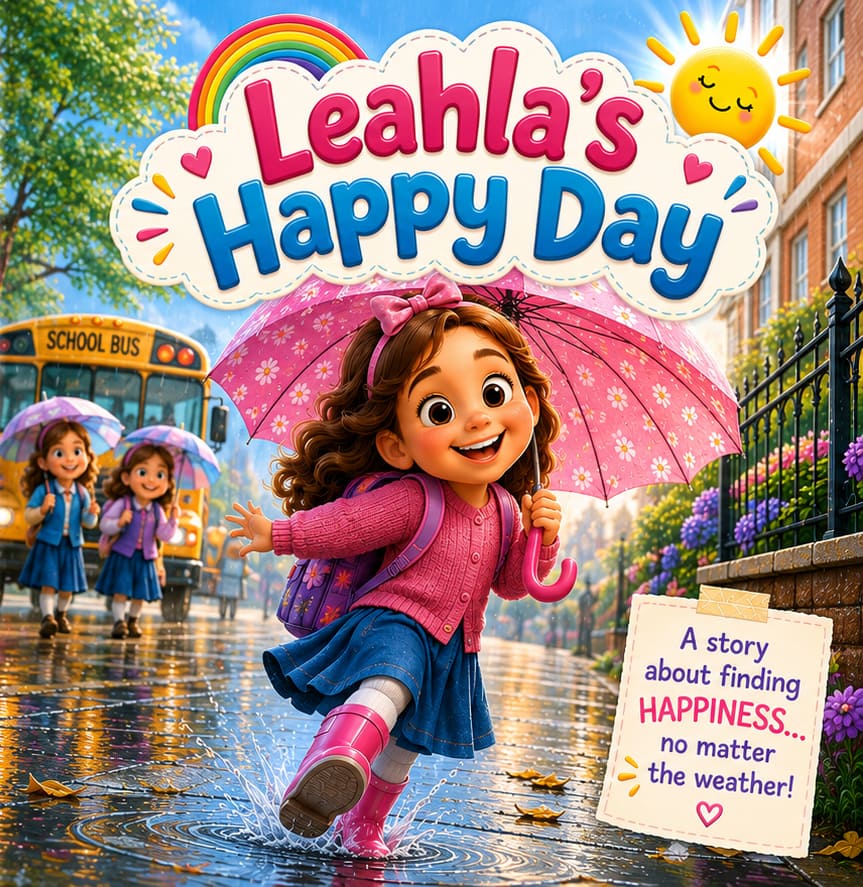
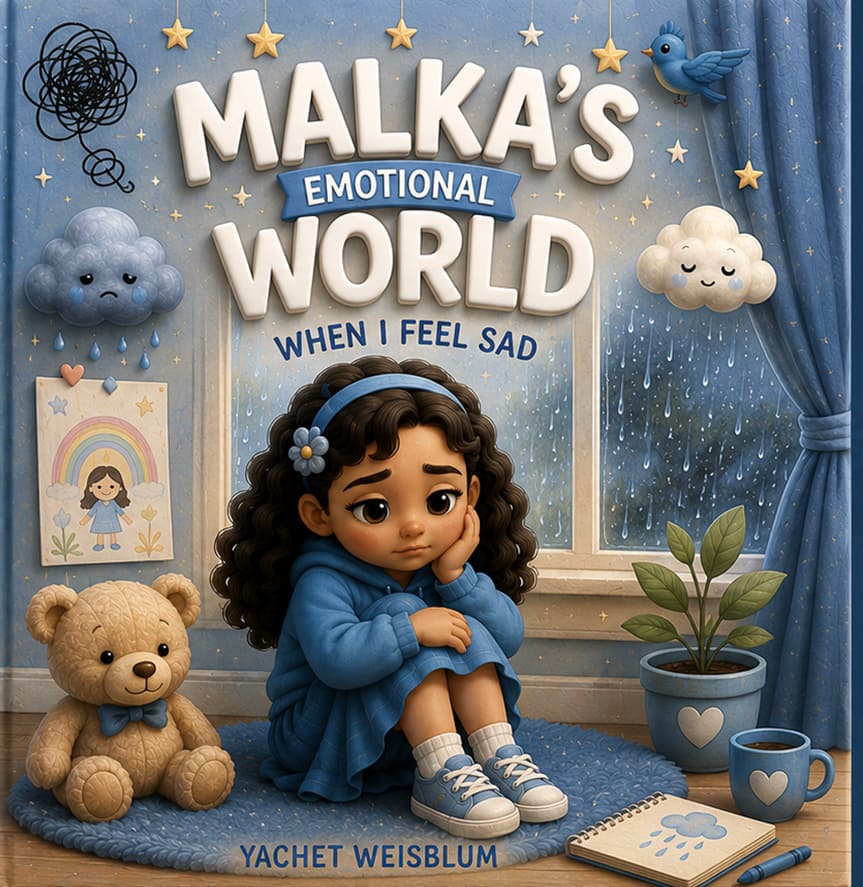
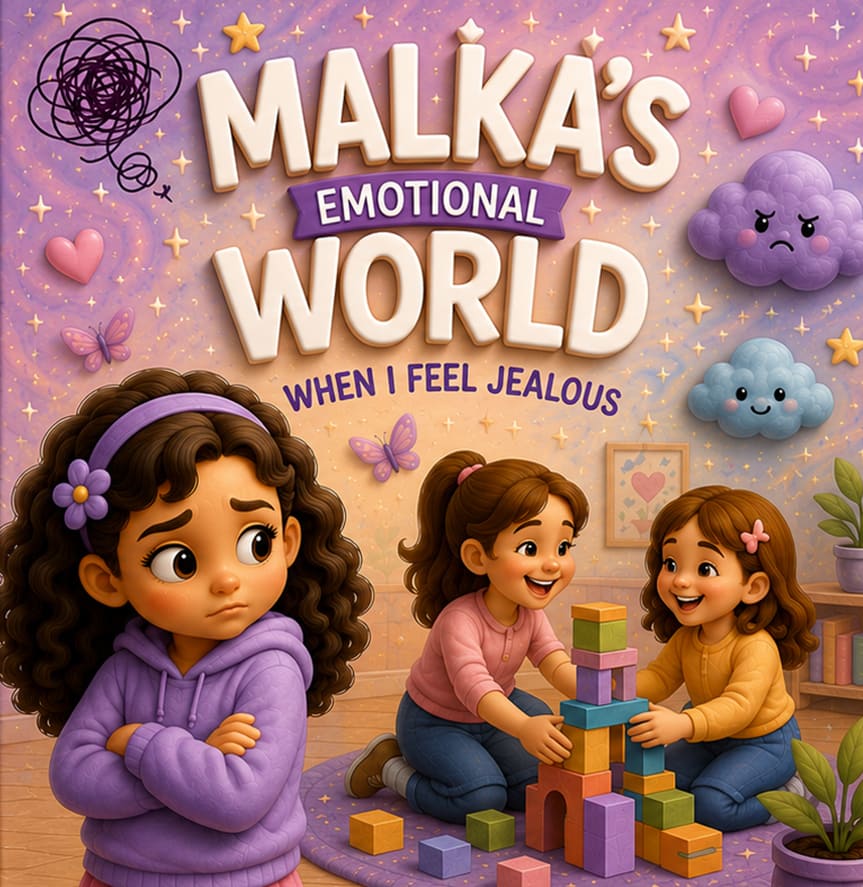
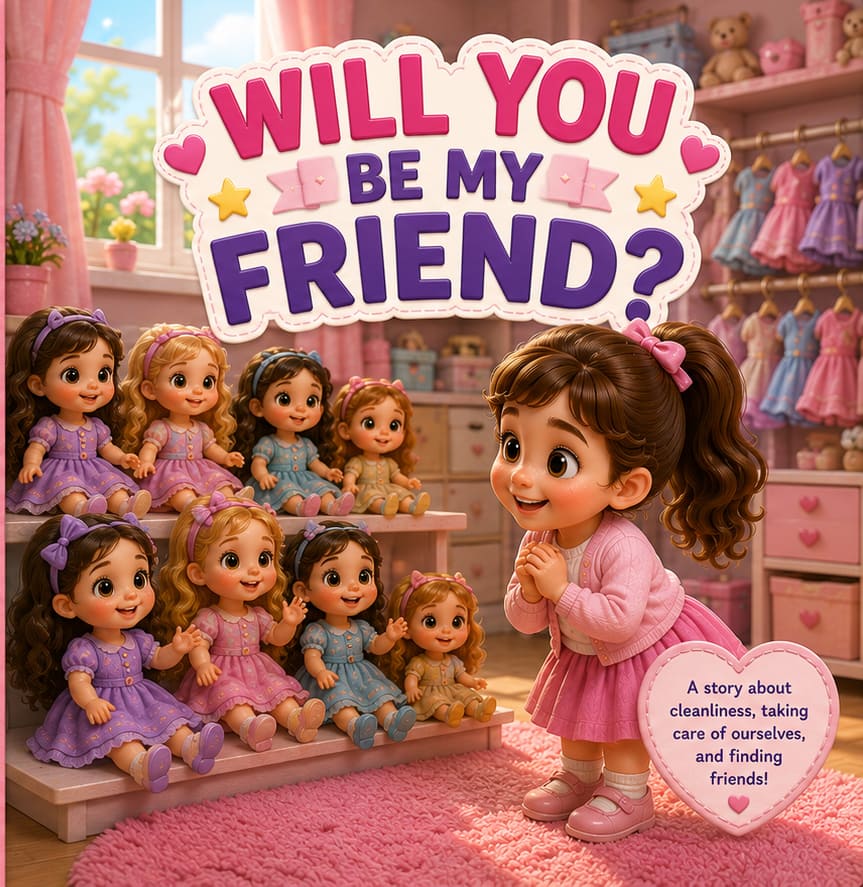
Once the storm passes, you can help them build a vocabulary for what happened. Stories are wonderful for this. A character who feels nervous on the first day, or frustrated when the tower falls over, gives your child words and distance to think about their own feelings.
Over time, children who are met with patience learn to meet themselves the same way. The goal isn't to make big feelings disappear. It's to teach them that feelings come and go, and that they're never alone in them.